Delivering Nature Better: Why Natural Compounds Need Modern Delivery Systems
Executive summary
Many natural compounds show strong biological potential but perform poorly in the human body due to low solubility, chemical instability, and rapid metabolism. This overview explains why modern delivery systems, particularly nano-encapsulation, are increasingly used to address these limitations. It outlines how advanced formulation science enables natural compounds to be delivered in forms better aligned with human physiology, while maintaining safety, transparency, and regulatory responsibility.
On this page
- The challenge at the heart of natural products
- The physicochemical reality of natural bioactives
- Why traditional extracts fall short
- Nano-encapsulation as a delivery framework
- Strategic nano-delivery platforms
- What delivering nature better means in practice
- Advantages and limitations of nano-encapsulation
- From laboratory innovation to manufacturable products
- Regulation and responsibility
- Sustainability and local science
- The road ahead
An evidence-led overview of nano-encapsulation and the future of natural bioactives
Introduction: The Challenge at the Heart of Natural Products
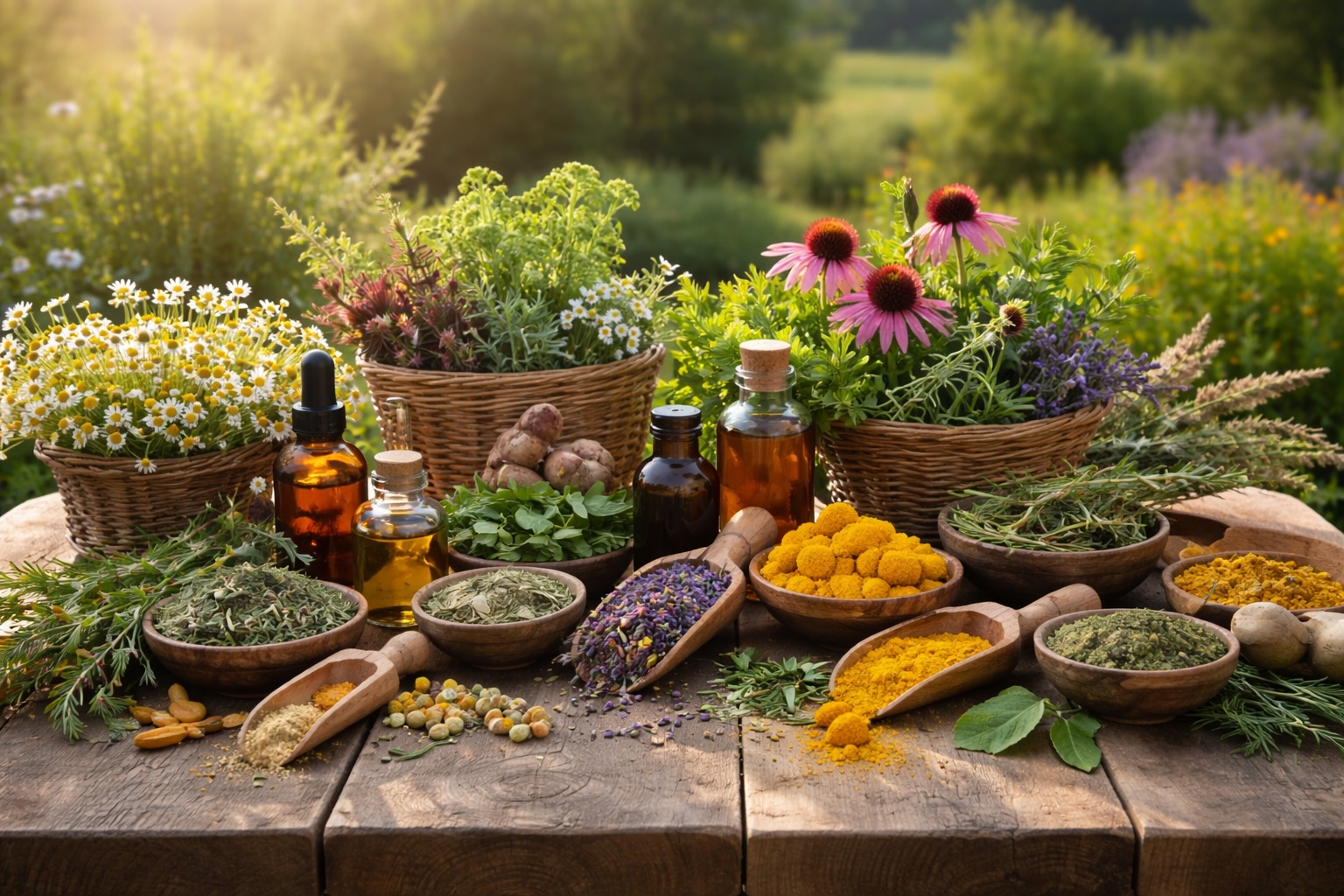
Assorted natural medicinal herbs and botanical ingredients arranged on a table in an outdoor setting.
Nature provides one of the most extensive libraries of bioactive compounds known to science. Across centuries of traditional use and decades of modern research, plant-derived molecules such as polyphenols, flavonoids, proteins, and essential oils have demonstrated remarkable biological potential. Yet a persistent challenge remains. The majority of these compounds perform poorly in the human body when consumed in their native forms.
This limitation is not due to a lack of activity at the molecular level. Instead, it reflects a mismatch between the chemical properties of many natural compounds and the physiological realities of human absorption, distribution, metabolism, and elimination. Low solubility, chemical instability, and rapid metabolic clearance frequently prevent bioactive molecules from reaching the tissues where they are intended to act.
At Nano Botanicals, the principle of nature delivered better reflects this reality. It recognises that unlocking the full value of natural compounds requires more than sourcing or extraction. It requires delivery systems designed to work in harmony with human biology.
The Physicochemical Reality of Natural Bioactives
Many of the most promising natural compounds share a common set of physicochemical characteristics that limit their effectiveness in conventional formulations. These include high lipophilicity, sensitivity to light and oxygen, and rapid transformation during digestion and hepatic metabolism.
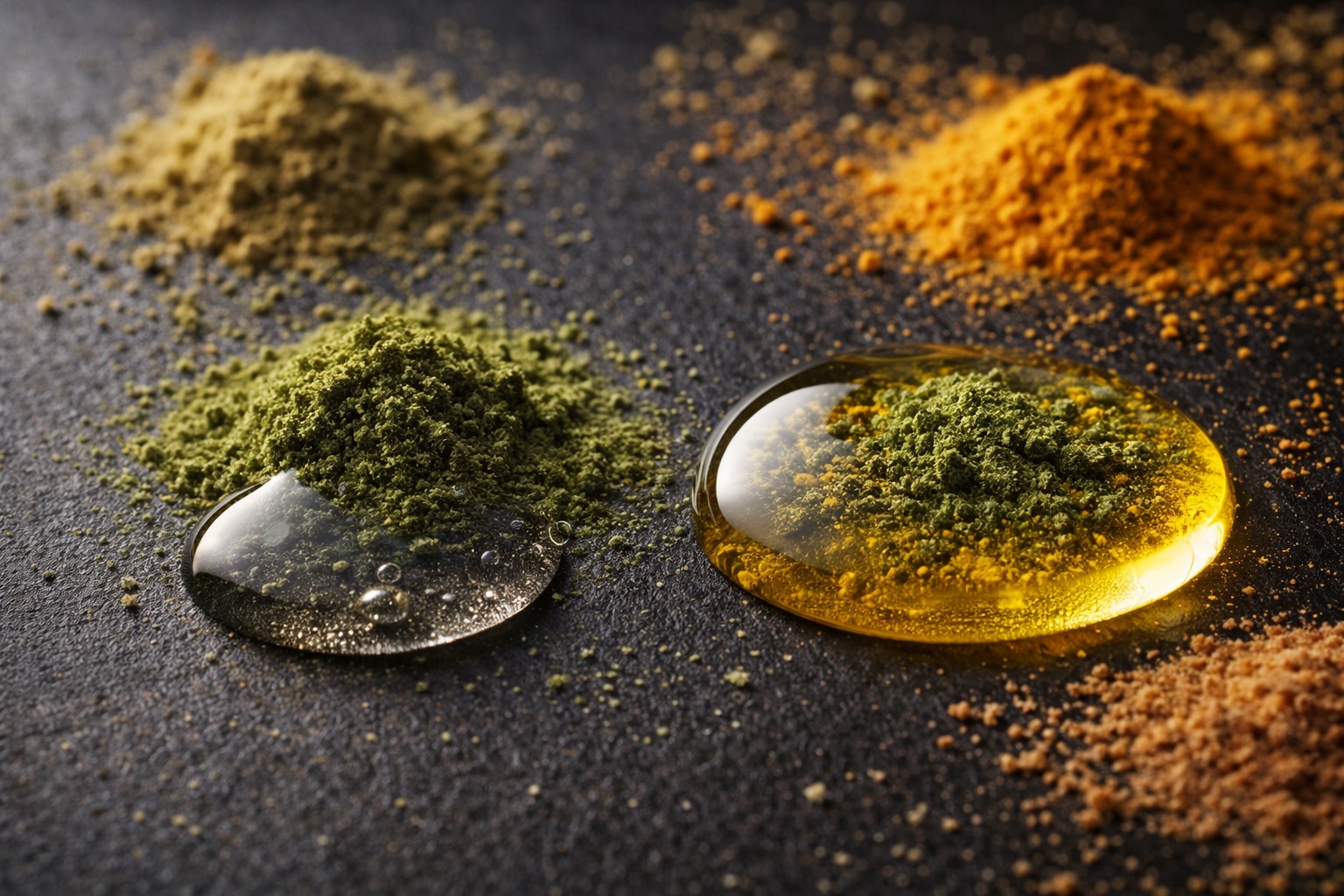
Well-studied examples include polyphenols such as curcumin and quercetin, xanthones derived from tropical plants, and volatile essential oils. In aqueous environments like the gastrointestinal tract, these compounds often fail to dissolve sufficiently to permit efficient absorption. Even when absorption occurs, rapid enzymatic modification in the intestinal wall and liver can significantly reduce the concentration of intact bioactive molecules in circulation.
This phenomenon is often described as a solubility–permeability challenge, where compounds are either unable to dissolve adequately or unable to cross biological membranes efficiently. As a result, high oral doses are frequently used to compensate for poor absorption, introducing variability in response and increasing the likelihood of unwanted effects.
Why Traditional Extracts Fall Short
Traditional herbal extracts rely primarily on concentration rather than optimisation of delivery. While this approach can be effective for some botanicals, it is poorly suited to compounds with low bioavailability. Increasing dose does not fundamentally solve the problem of poor absorption or rapid metabolism.
In practice, this leads to several limitations:
- Inconsistent exposure between individuals
- Short-lived systemic availability
- Greater demand on metabolic clearance pathways
- Reduced predictability of outcomes
These challenges help explain why many natural compounds show strong activity in laboratory settings but produce variable results in real-world use.
Nano-Encapsulation as a Delivery Framework
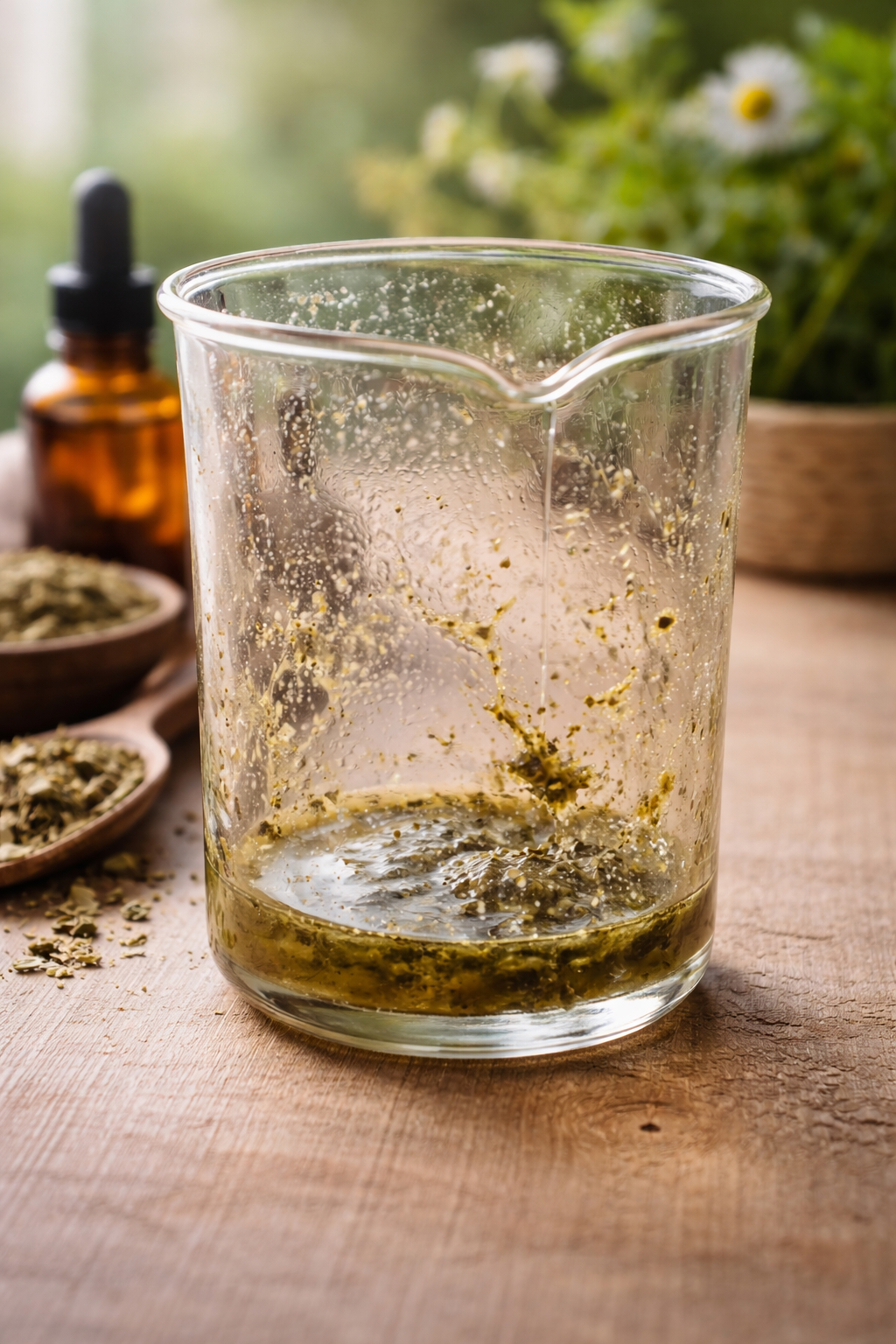
In simple terms, a delivery system describes how a bioactive compound is transported from ingestion to the point where it can be used by the body. It includes the physical form of the compound, how it is protected during digestion, how it crosses biological barriers such as the intestinal wall, and how long it remains available before being broken down or eliminated. In natural products, the delivery system is often the limiting factor that determines whether a compound with proven biological activity can function effectively in real-world use.
Nano-encapsulation refers to the use of delivery systems engineered at a very small scale to improve these processes.
Nano-Encapsulation as a Delivery Framework
In simple terms, a delivery system describes how a bioactive compound is transported from ingestion to the point where it can be used by the body. It includes the physical form of the compound, how it is protected during digestion, how it crosses biological barriers such as the intestinal wall, and how long it remains available before being broken down or eliminated. In natural products, the delivery system is often the limiting factor that determines whether a compound with proven biological activity can function effectively in real-world use.
Nano-encapsulation refers to the use of delivery systems engineered at a very small scale to improve these processes.
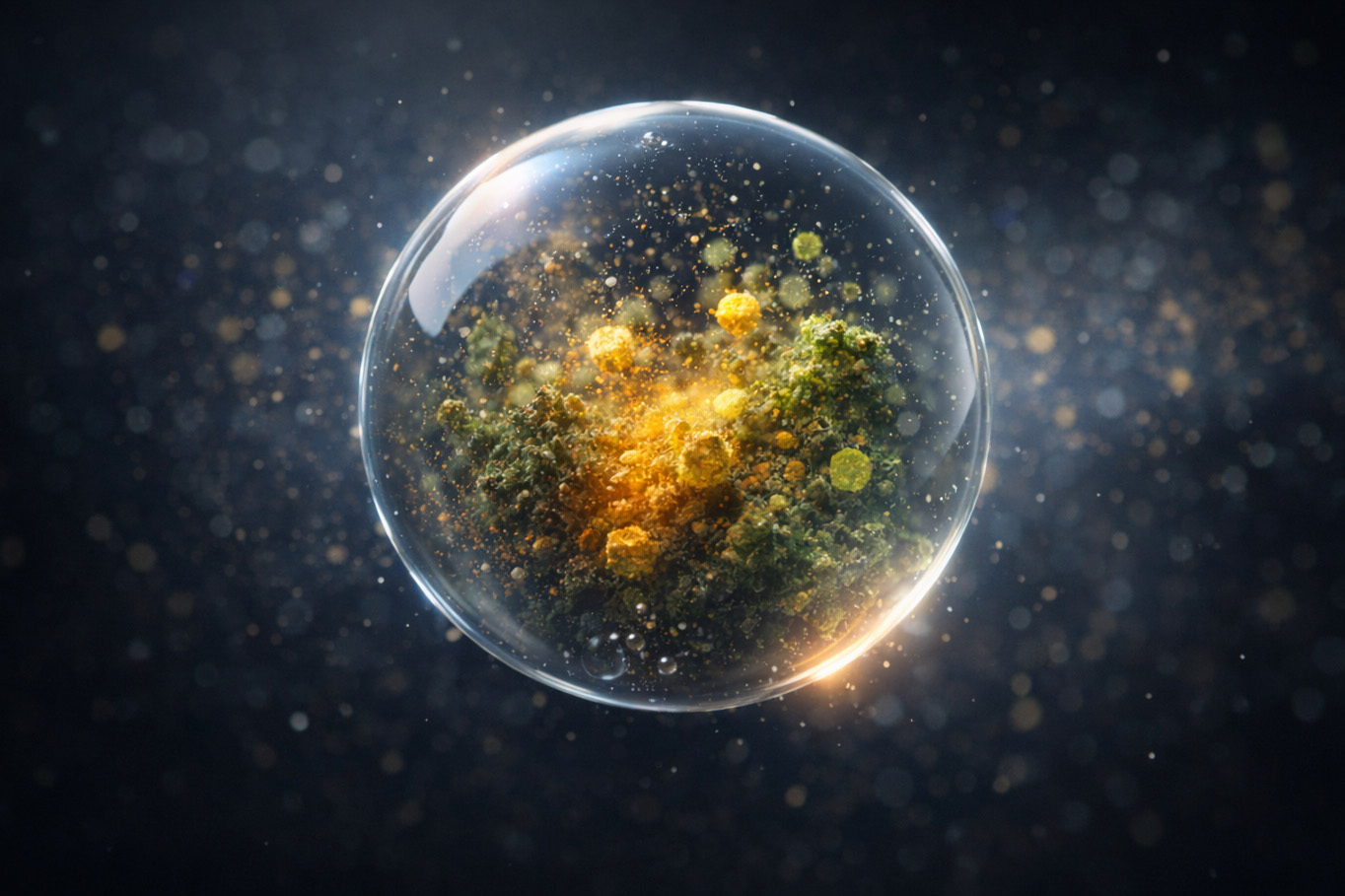
Nano-encapsulation refers to the use of nanoscale carrier systems to improve how bioactive compounds are presented to the body. Rather than altering the compound itself, this approach focuses on protecting, stabilising, and transporting the molecule in a form better suited to physiological conditions.
At the nanoscale, materials exhibit unique behaviours that can be leveraged to enhance dispersion in aqueous environments, shield sensitive compounds from degradation, and facilitate interaction with natural absorption pathways. Importantly, nano-encapsulation is not a single technology but a framework encompassing multiple delivery strategies.
This approach is widely used in pharmaceutical science and is increasingly applied to natural products where conventional formulation methods fall short.
Strategic Nano-Delivery Platforms
Bioactive Category | Representative Compound | Primary Limitation | Delivery Strategy |
Flavonoids | Quercetin | Poor water solubility | Polymeric micelles |
Polyphenols | Curcumin | Rapid metabolism and low solubility | Lipid and polymer-based nano-carriers |
Proteins | Phycocyanin | Thermal and pH sensitivity | Stabilised nano-dispersions |
Essential Oils | Lemongrass oil | Volatility and oxidation | Self-emulsifying systems |
Xanthones | Xanthone derivatives | Poor solubility | Polymeric nano-carriers |
Table 1: Physicochemical Barriers and Nano-Delivery Strategies for Natural Bioactives
Academic research consistently shows that nano-scale delivery systems can be selected and tuned to address the dominant physicochemical barrier of each compound class.
Academic and industrial research has produced a range of nano-encapsulation platforms, each suited to different classes of natural compounds.
Polymeric Micelles
Polymeric micelles are self-assembling structures formed from amphiphilic block copolymers. They typically consist of a hydrophilic outer shell and a hydrophobic core, allowing lipophilic compounds to be solubilised and protected within the carrier. These systems have demonstrated substantial improvements in the apparent solubility and stability of poorly water-soluble polyphenols.
Microemulsions and Self-Emulsifying Systems
For lipid-soluble extracts and essential oils, microemulsions and self-emulsifying delivery systems offer an effective solution. These systems spontaneously form fine dispersions upon contact with aqueous media, enhancing dispersion and absorption while protecting volatile or oxidation-sensitive components.
Electrospinning and Nanofibrous Systems
Electrospinning technologies enable the production of nanofibrous matrices with extremely high surface-area-to-volume ratios. These platforms are particularly relevant for topical, transdermal, and fast-dissolving applications, where controlled or sustained release profiles are desired.
What Delivering Nature Better Means in Practice
Delivering nature better is not about increasing complexity for its own sake. It is about aligning natural compounds with the realities of human physiology. In practical terms, this means:
- Improving effective exposure without excessive dosing
- Enhancing stability during storage and digestion
- Supporting predictable and consistent performance
- Respecting metabolic and elimination pathways
Nano-encapsulation allows natural compounds to be delivered in forms that are more compatible with the body’s existing transport and absorption mechanisms, rather than forcing absorption through non-specific enhancement strategies.
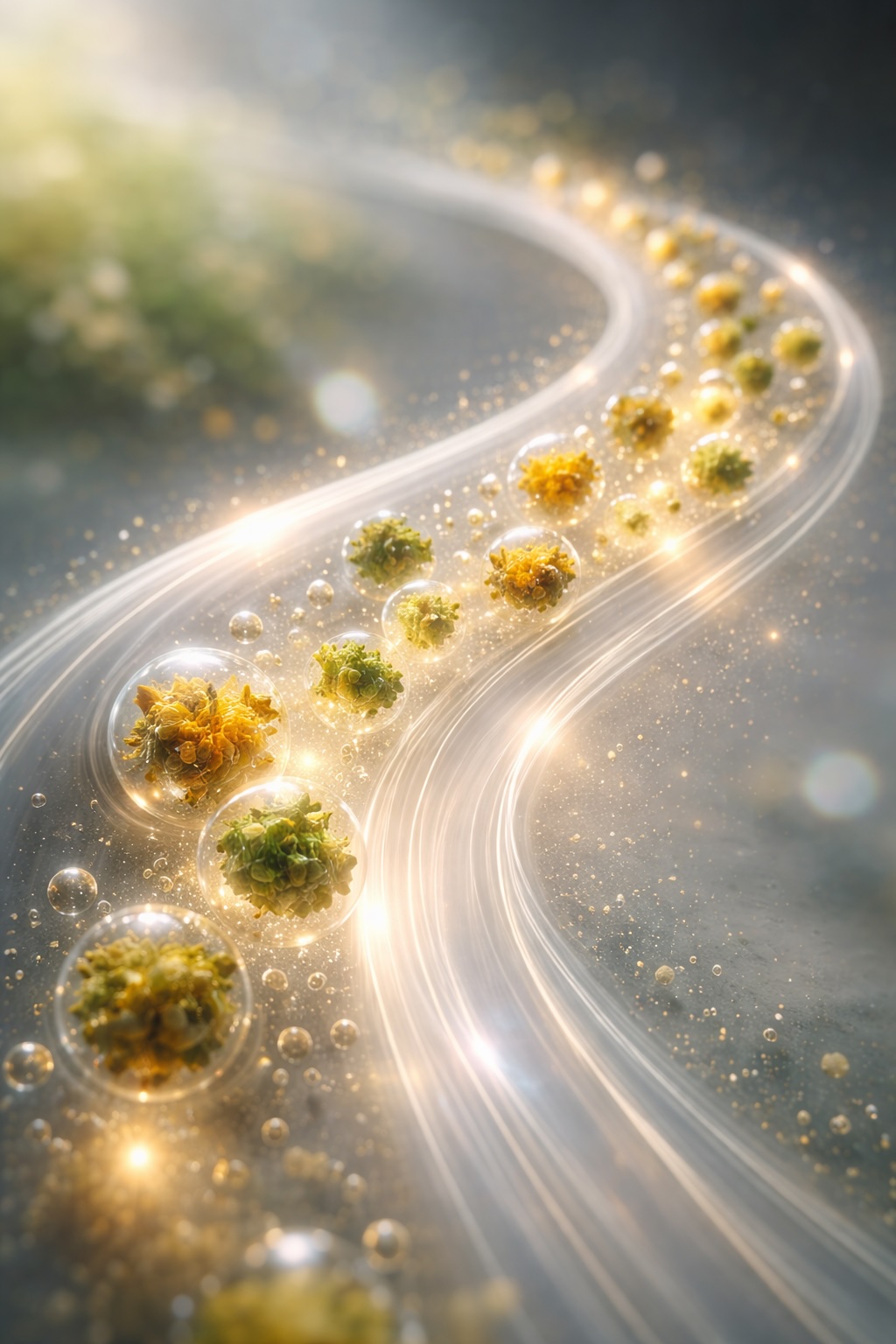
The image is an abstract visualisation of natural bioactive particles moving in a controlled and consistent pathway, representing effective delivery in practice.
Advantages and Limitations of Nano-Encapsulation
Key Advantages
Table 3: Benefits and Constraints of Nano-Encapsulation for Natural Compounds
Aspect | Benefit | Consideration |
Bioavailability | Improved exposure at lower doses | Requires carrier optimisation |
Stability | Protection from light and oxidation | Shelf-life testing required |
Release control | Sustained or targeted delivery | Increased formulation complexity |
Sensory properties | Masked taste and odour | Carrier material selection |
- Improved solubility and dispersion of lipophilic compounds
- Protection from light, heat, and oxidative degradation
- Controlled and sustained release profiles
- Masking of strong tastes or odours
- Potential for multi-compound delivery
Important Limitations
- Increased formulation and manufacturing complexity
- Scalability challenges for certain technologies
- Regulatory scrutiny of nanomaterials
- Need for rigorous safety and stability evaluation
A balanced assessment of these factors is essential when translating nano-encapsulation from laboratory research to real-world applications.
Table 4: Key Parameters for Translating Nano-Systems into Solid Dosage Forms
Parameter | Why It Matters |
Flowability | Ensures uniform manufacturing |
Compressibility | Maintains dosage form integrity |
Moisture sensitivity | Preserves nano-structure stability |
Disintegration | Confirms release after ingestion |
From Laboratory Innovation to Manufacturable Products
Delivering nature better also requires that advanced delivery systems can be manufactured consistently and responsibly. Nano-encapsulated formulations must retain their structure, stability, and performance across production, storage, and use. Achieving this requires rigorous control of formulation parameters, quality systems, and process validation, ensuring that scientific intent is preserved beyond the laboratory environment.
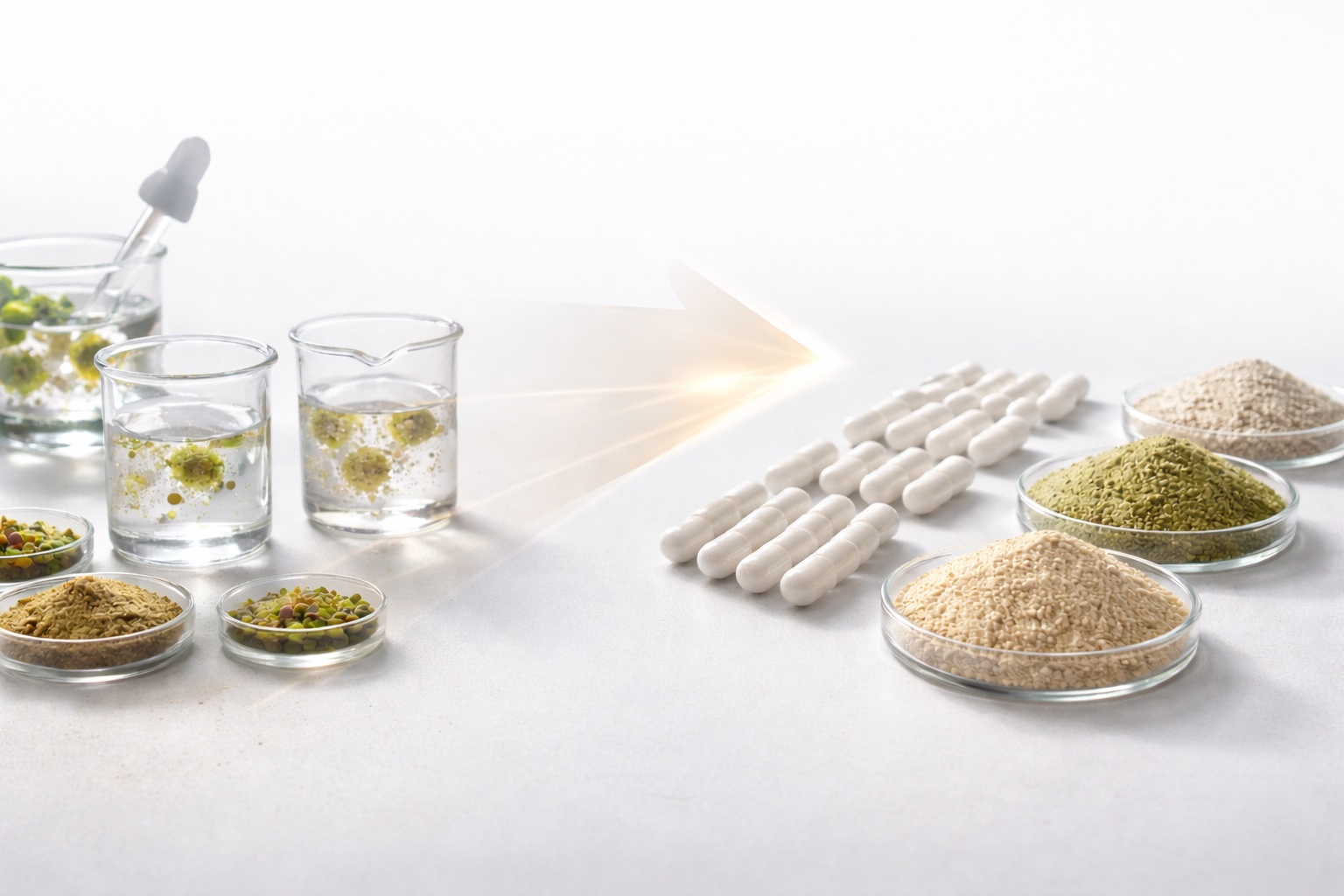
While many nano-encapsulated systems begin as liquid dispersions, real-world use often requires conversion into stable, convenient dosage forms such as powders or tablets. Industry frameworks exist to guide this transition, evaluating parameters such as flowability, compressibility, moisture sensitivity, and dissolution behaviour.
These considerations ensure that the benefits of nano-scale delivery are preserved through manufacturing, storage, and end use.
Regulation and Responsibility
The application of nanotechnology in natural products is governed by evolving regulatory frameworks. In Thailand and other jurisdictions, requirements include truthful claims, full ingredient disclosure, Good Manufacturing Practice certification, and specific notifications for nano-form ingredients.
Responsible development prioritises transparency, safety assessment, and compliance with both local and international standards.
| Requirement | Description |
| Ingredient disclosure | Full INCI listing and concentrations |
| Manufacturing standards | GMP-certified facilities |
| Claim substantiation | Evidence-based, non-therapeutic claims |
| Notification validity | Three-year renewal cycle |
Sustainability and Local Science
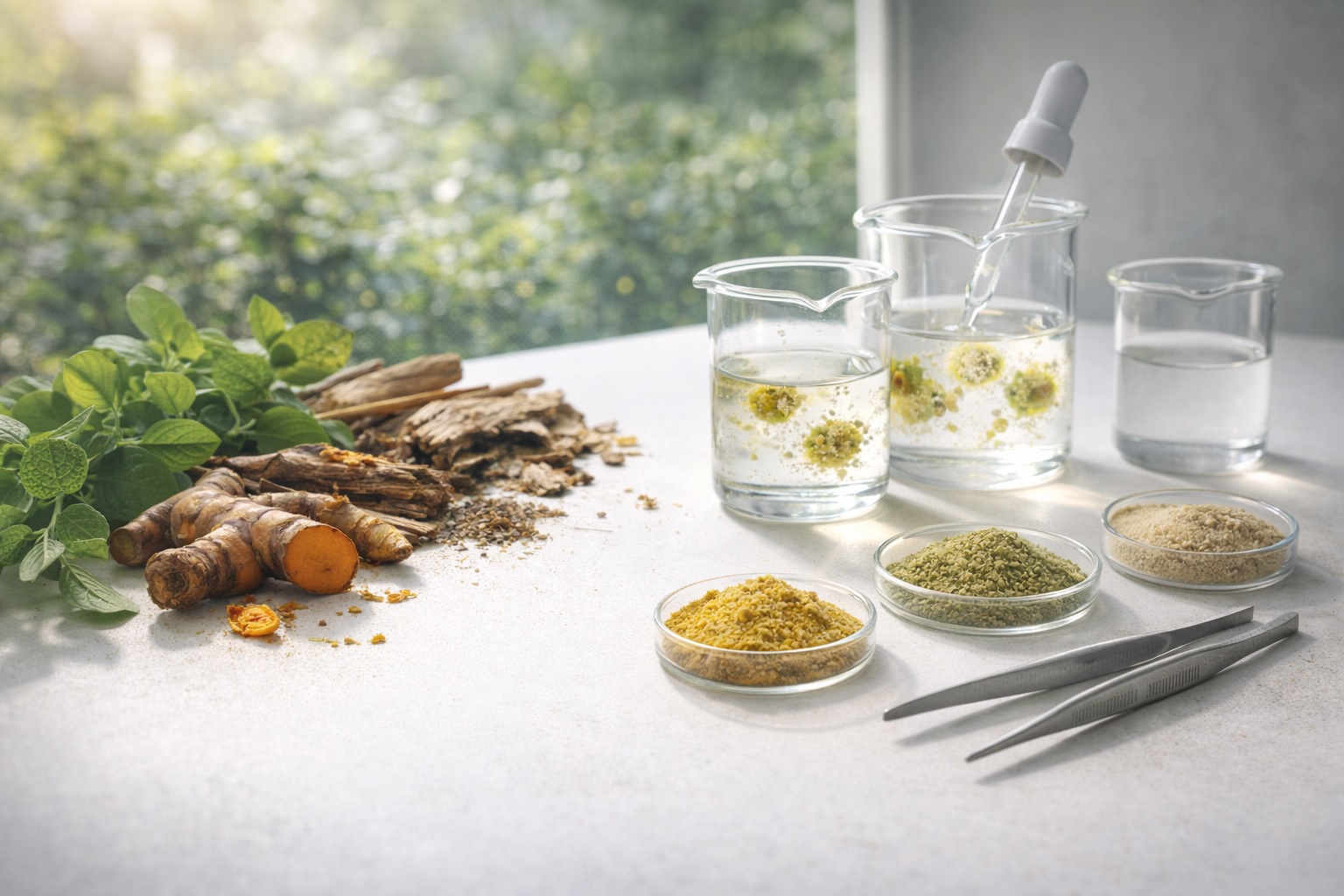
Delivering nature better also encompasses sustainability. Improved delivery efficiency can reduce the amount of raw material required, lowering environmental impact. Academic research increasingly explores the use of locally sourced plant materials and biodegradable carrier systems, aligning scientific advancement with ecological responsibility.